Intercom System Installation & Repair
Downtown Door Repair & Security installs and repairs building intercom systems across NYC — audio buzzers, video entry panels, and smartphone-based systems that need no in-apartment wiring. We service everything from a single dead apartment station to full lobby panel replacements in 100+ unit buildings, working with co-op and condo boards, property managers, and individual owners. Licensed by NYC DCWP (#2109597), open 24/7, from our Brooklyn Heights and Williamsburg offices.
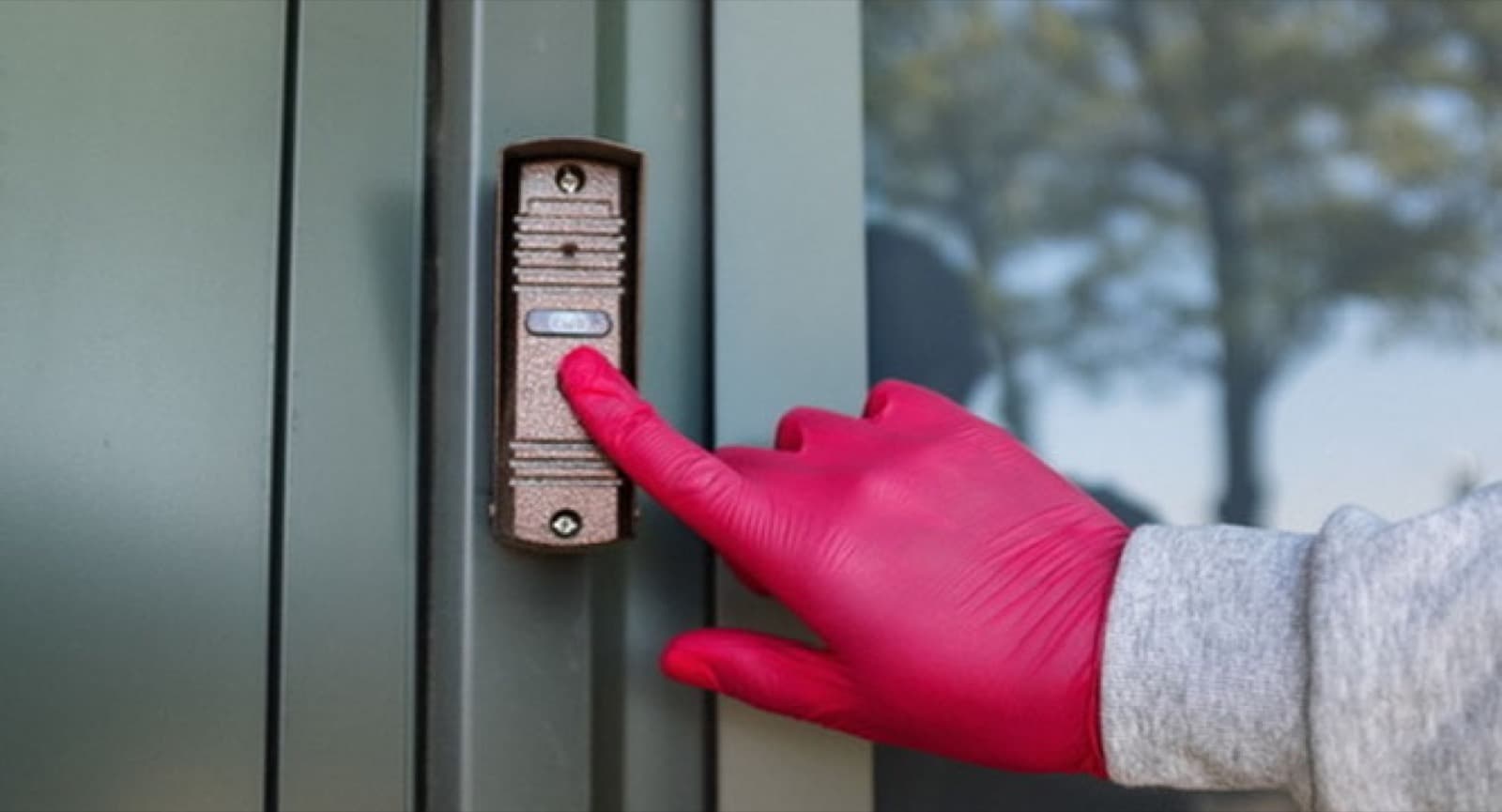
An intercom system is the front line of a multi-tenant building: the lobby panel where a visitor calls up, the apartment stations where residents answer, the door release that fires the electric strike or maglock on the vestibule door, and the wiring riser that ties it all together. In NYC this is not optional equipment — the Multiple Dwelling Law requires self-locking entrance doors in most multiple dwellings, and buildings with eight or more apartments are generally required to maintain a working two-way intercom and buzzer-release system. When the system dies, tenants complain, packages disappear, and HPD violations follow. We keep these systems running in pre-war walk-ups, elevator co-ops, and new-construction condos across the five boroughs.
There are three broad system types, and choosing the right one is most of the job. Wired audio intercoms are the classic buzzer: a lobby directory panel, a handset or speaker station in each apartment, and a door-release button. Wired video intercoms add a camera at the entrance and a monitor at each station, so residents see who is buzzing before they release the door. Smartphone-based (cellular or IP) intercoms replace the apartment station entirely — the lobby panel calls the resident's phone app, and the door release travels over the internet. For pre-war buildings where the original riser wiring is brittle, spliced beyond recognition, or buried behind decades of plaster, a smartphone-based panel is often the only realistic full-building upgrade, because it requires power and internet at the entrance and nothing inside the apartments.
Repair work is its own discipline. A single dead apartment station usually traces to the station itself, the punch-down connections at the amplifier, or a break in that apartment's pair in the riser. A lobby panel that buzzes every apartment at once, or releases the door without being told to, usually means water intrusion at the entrance panel or a shorted release wire. We open the panel, trace the wiring, and fix the actual fault — we do not default to 'you need a whole new system' the way many installers do. When the riser really is beyond saving, we say so, and we quote the replacement honestly against a no-new-wiring smartphone option so the board can compare real numbers.
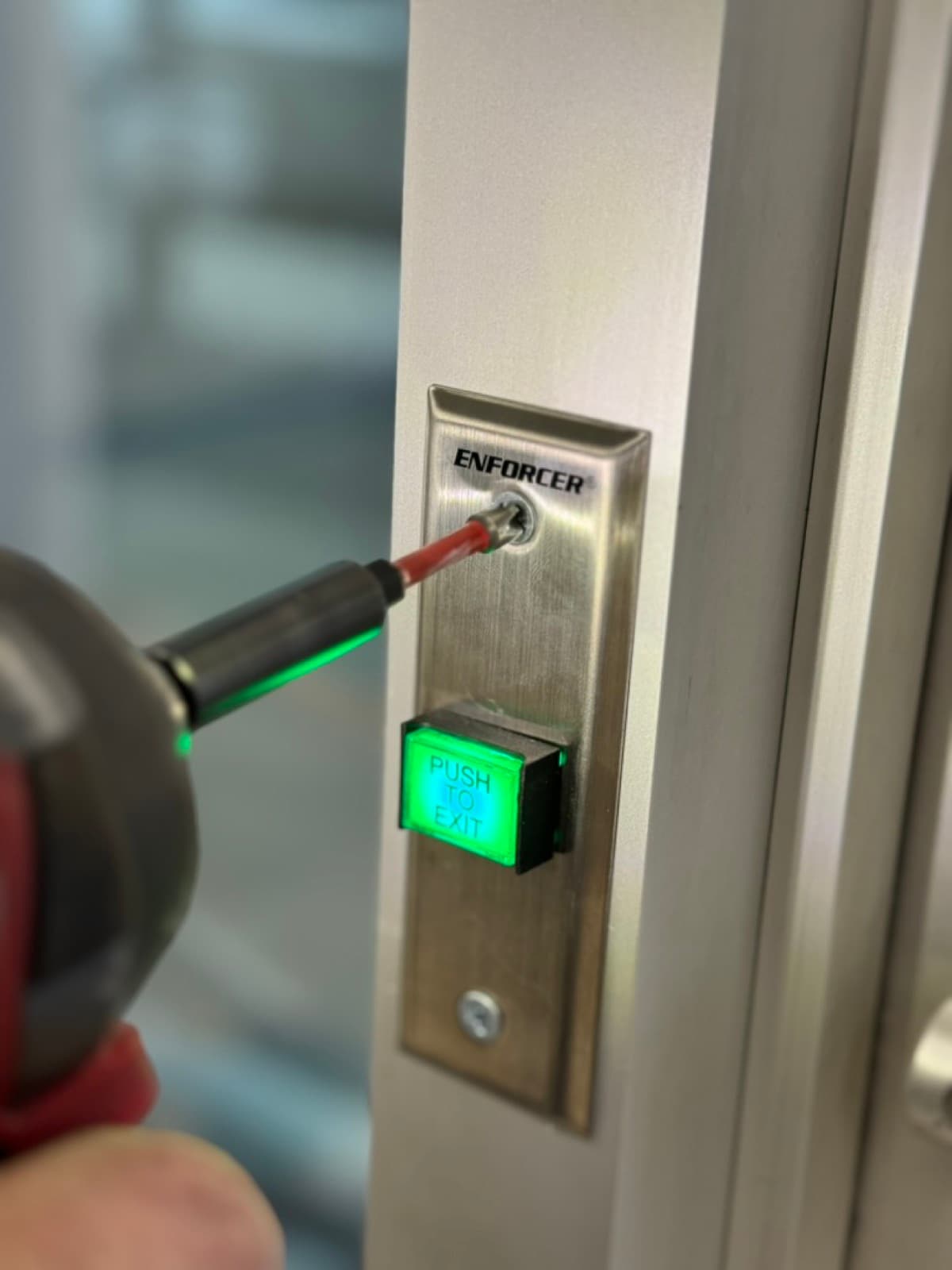
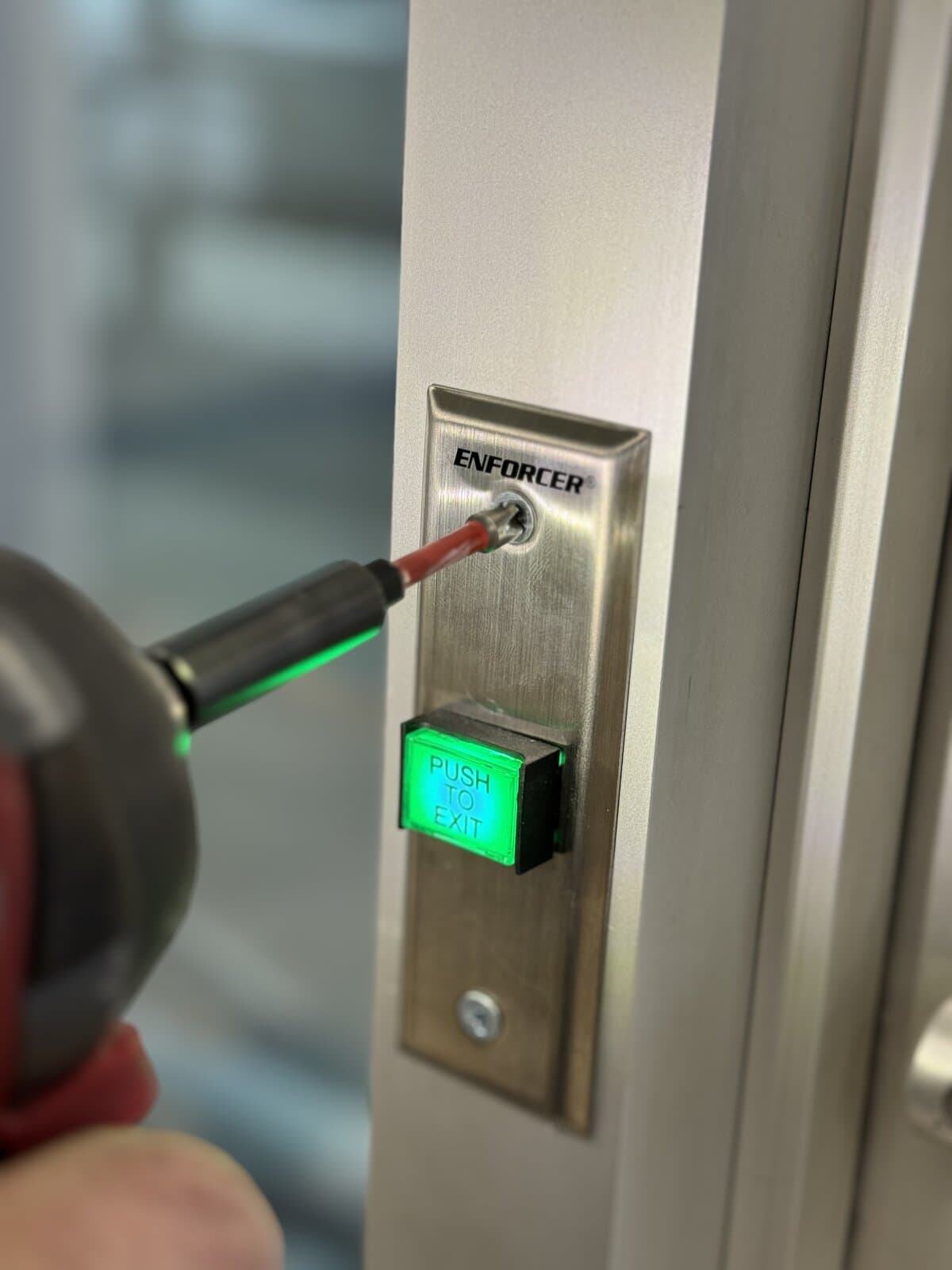
Because we are a door and lock company first, we handle the part most intercom vendors subcontract out: the door hardware. An intercom is only as good as the release it drives. We install and service the electric strikes, maglocks, and door closers on the entrance itself — including the Seco-Larm and Enforcer maglocks and exit devices we stock — so the buzz actually opens the door, the door actually relocks behind the visitor, and the whole entry sequence works as one system. One contractor, one point of responsibility, from the lobby panel to the latch.
When you need it
- Your apartment's buzzer or handset is dead while the rest of the building works — usually a station or riser-pair fault, not a full-system problem
- The lobby panel is damaged, waterlogged, vandalized, or has missing/unreadable tenant buttons
- The door release buzzes but the entrance door doesn't unlock — a strike, maglock, or release-wiring fault on the door itself
- Your co-op or condo board wants to upgrade from audio-only to video or smartphone entry
- A pre-war building's riser wiring is too degraded to repair and you need a no-new-wiring smartphone-based replacement
- HPD has issued a violation for a non-functioning intercom or self-locking entrance door
- New construction or gut renovation needs a full intercom rough-in coordinated with the electrician
- Delivery access is a problem — you want virtual keys, delivery PINs, or video call logs at the front door
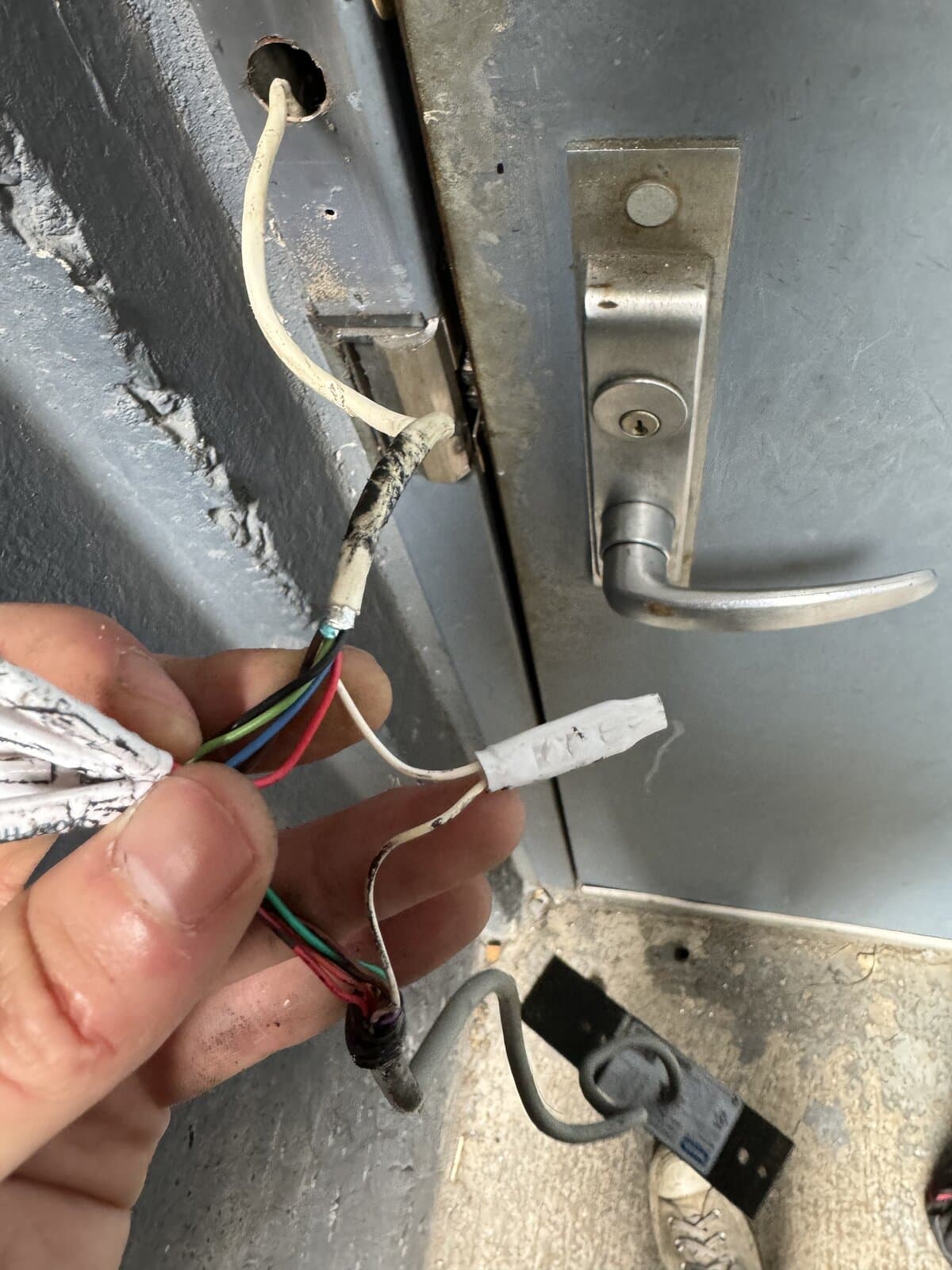
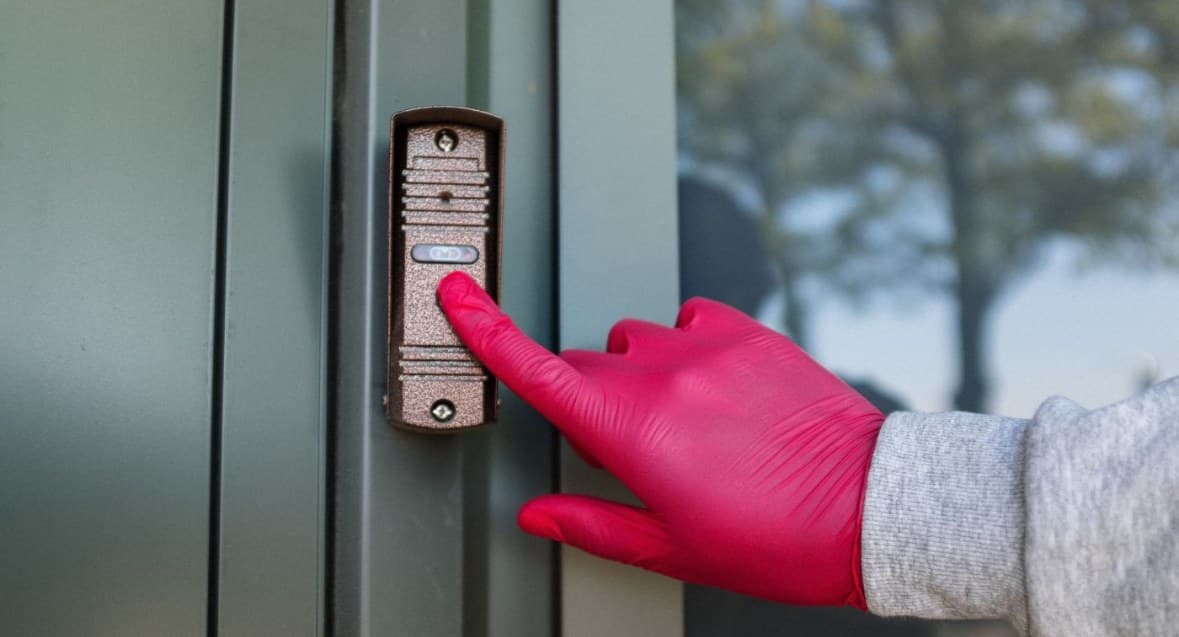
Real installs, real photos
How it works
- 1
Site survey & wiring assessment
We inspect the lobby panel, a sample of apartment stations, the amplifier or head-end, and the riser condition. In older buildings this determines everything: whether the existing wiring can carry a new system or whether a smartphone-based panel that needs no riser is the smarter path. You get a written scope, not a guess.
- 2
System selection & board approval package
We spec the system — audio, video, or smartphone-based — with model numbers, wiring plan, and door-hardware requirements. For co-ops and condos we prepare what the board and managing agent need: scope of work, insurance certificates, and scheduling that respects alteration-agreement rules and quiet hours.
- 3
Installation
We mount and weatherproof the entrance panel, wire or configure apartment stations or resident phone apps, install or service the electric strike or maglock the system releases, and land everything at the head-end. Building entrances are never left unsecured — doors stay lockable at every stage of the work.
- 4
Testing, tenant handoff & documentation
We test call, talk, video, and release from the panel and from a sample of stations, program the tenant directory, walk the super or manager through administration, and leave labeled wiring and written documentation so the next repair — by us or anyone — takes minutes, not hours.
How pricing works
Every intercom systems job is priced after an on-site diagnosis — no guesswork and no surprises. We diagnose the real issue, explain your options in plain language, and give you clear pricing before any work begins.
Request your on-site quote
Tell us what's going on — we'll get back to you with next steps and honest pricing.
Frequently asked
Can you fix just my apartment's buzzer, or do you only do whole buildings?
We do single-apartment repairs constantly — it is one of our most common calls. If the rest of the building works and your station is dead, the fault is usually in your station, its riser pair, or its punch-down at the amplifier, and it is repairable without touching anyone else's unit. You may need your super or managing agent to give us access to the head-end, which is usually in the basement or a locked closet. If we open the job and find the fault is actually building-wide, we tell you before doing work you would be paying for alone.
Do I need my building's or board's permission to work on the intercom?
For anything beyond your own apartment station, yes — the lobby panel, riser, and amplifier are common elements owned by the building, so the board or managing agent has to authorize work on them. Replacing or repairing the station inside your own apartment is typically your call in a rental or condo, though co-op alteration rules can still apply. We deal with boards and property managers every week and can provide the insurance certificates and scope-of-work documents they require. If you're not sure who owns what, send us a photo of the setup and we'll tell you where the line is.
Our building is pre-war and the wiring is shot. Do we have to rewire the whole riser?
Usually not. Rewiring a riser in an occupied pre-war building means opening walls in every apartment and common hallway — it is disruptive and expensive, and boards rarely approve it. The modern alternative is a smartphone-based entry panel: it needs only power and an internet connection at the entrance, calls each resident's phone instead of a wall station, and releases the door over the network. Residents without smartphones can be set up with a standard phone-line call instead of the app. We quote both paths after a survey so the board compares real numbers, but in genuinely degraded pre-war risers the no-wiring option almost always wins.
Is a building intercom legally required in NYC?
In most multiple dwellings, the entrance door must be self-closing and self-locking, and buildings with eight or more apartments are generally required to provide a working two-way intercom with buzzer door release under the Multiple Dwelling Law. A dead intercom is the kind of condition HPD writes violations for after tenant complaints. If you've received a violation, bring it to us — the fix is often a repair rather than a full replacement, and we can document the restored operation for the managing agent's records.
Smartphone intercom vs. rewired system — how do I think about cost?
The cost logic comes down to wiring. A wired video system's price is dominated by labor: pulling cable through the riser and installing a station in every unit, which in an occupied building means scheduling access apartment by apartment. A smartphone-based system concentrates nearly all the cost at the front door — one panel, power, internet — and adds a per-building or per-unit service subscription. For small buildings with healthy wiring, wired can be cheaper over time because there's no subscription. For larger buildings or bad risers, the smartphone panel usually wins on total cost and wins massively on disruption. We'll price both against your actual building.
How fast can you get here, and how long does the work take?
We're open 24/7 with offices in Brooklyn Heights and Williamsburg, so repair calls anywhere in the five boroughs are typically same-day or next-day. A single-station repair is usually done in one visit. A lobby panel replacement is typically a one-day job once the panel is in hand. Full-building installations depend on unit count and access coordination — smartphone-based systems often install in a day or two since no apartment entry is needed, while wired systems are scheduled across multiple days with the managing agent. Special-order panels can add lead time, which we confirm before you commit.
Related
You might also need
Access Control System Installation
Fobs, cards, keypads, and mobile credentials — with the door hardware and egress compliance most access vendors get wrong.
Learn moreElectric Strike Installation & Repair
The buzz-in door, done right: cut clean into the frame, aligned to the latch, wired to whatever lets people in.
Learn moreMagnetic Lock (Maglock) Installation & Repair
1200 pounds of holding force, wired to release the instant your fire alarm says so.
Learn moreCCTV & Security Camera Installation
PoE cameras, on-site recording, phone viewing — placed where incidents actually happen, installed to survive NYC weather and NYC tenants.
Learn moreDoor Repair & Door Supply
Doors that stick, sag, or won't latch — fixed right the first time.
Learn moreLocksmith Services
Two Brooklyn offices. Licensed techs, stocked vans, keys cut on our own machines — 24 hours a day.
Learn moreNeed it handled today?
Call for same-day service across the five boroughs, or send a few details and we'll get right back to you.