Locksmith Services
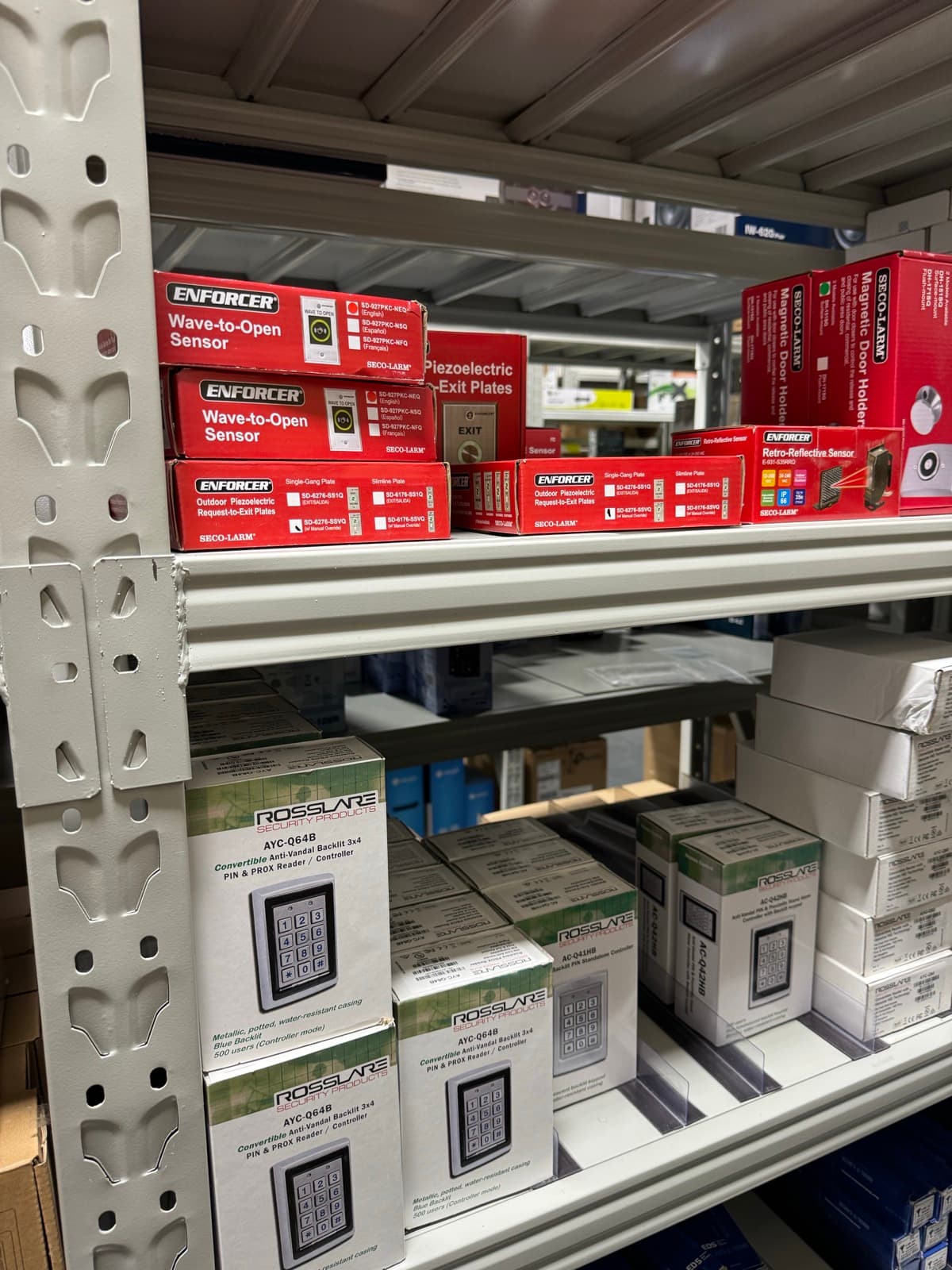
Downtown Door Repair & Security is a licensed NYC locksmith (DCWP license #2109597) operating 24/7 across all five boroughs from two Brooklyn offices — 170 Hicks St in Brooklyn Heights and 232 Leonard St in Williamsburg. We handle residential and commercial lockouts, rekeying, mortise and cylindrical lock installation and repair, and key cutting and duplication on our own machines. Because we're a real licensed shop with real offices — not a dispatch number reselling your call to a subcontractor — you get a licensed technician, a written quote before work starts, and hardware we actually stock, including Mul-T-Lock and Maxtek high-security cylinders.
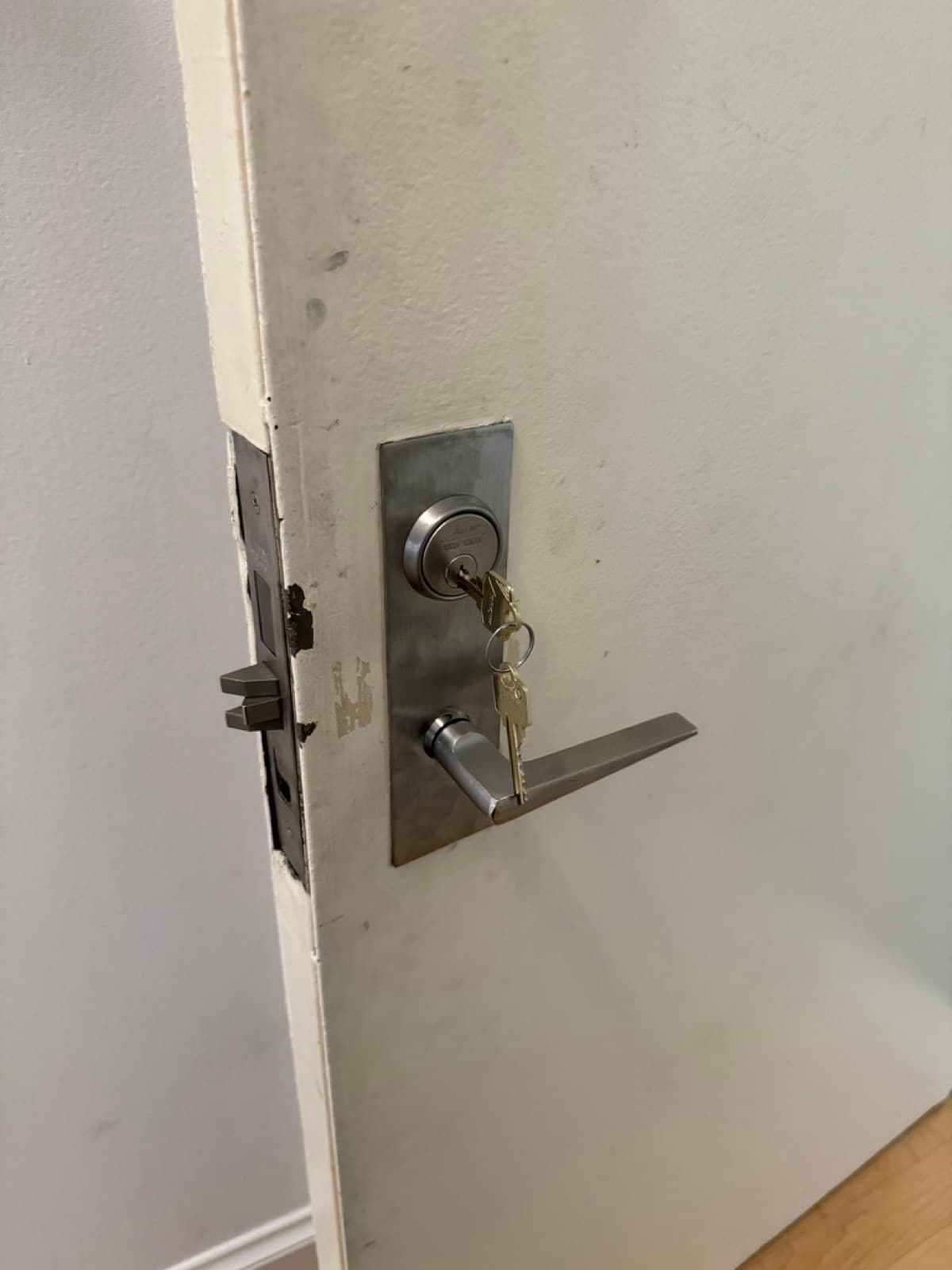
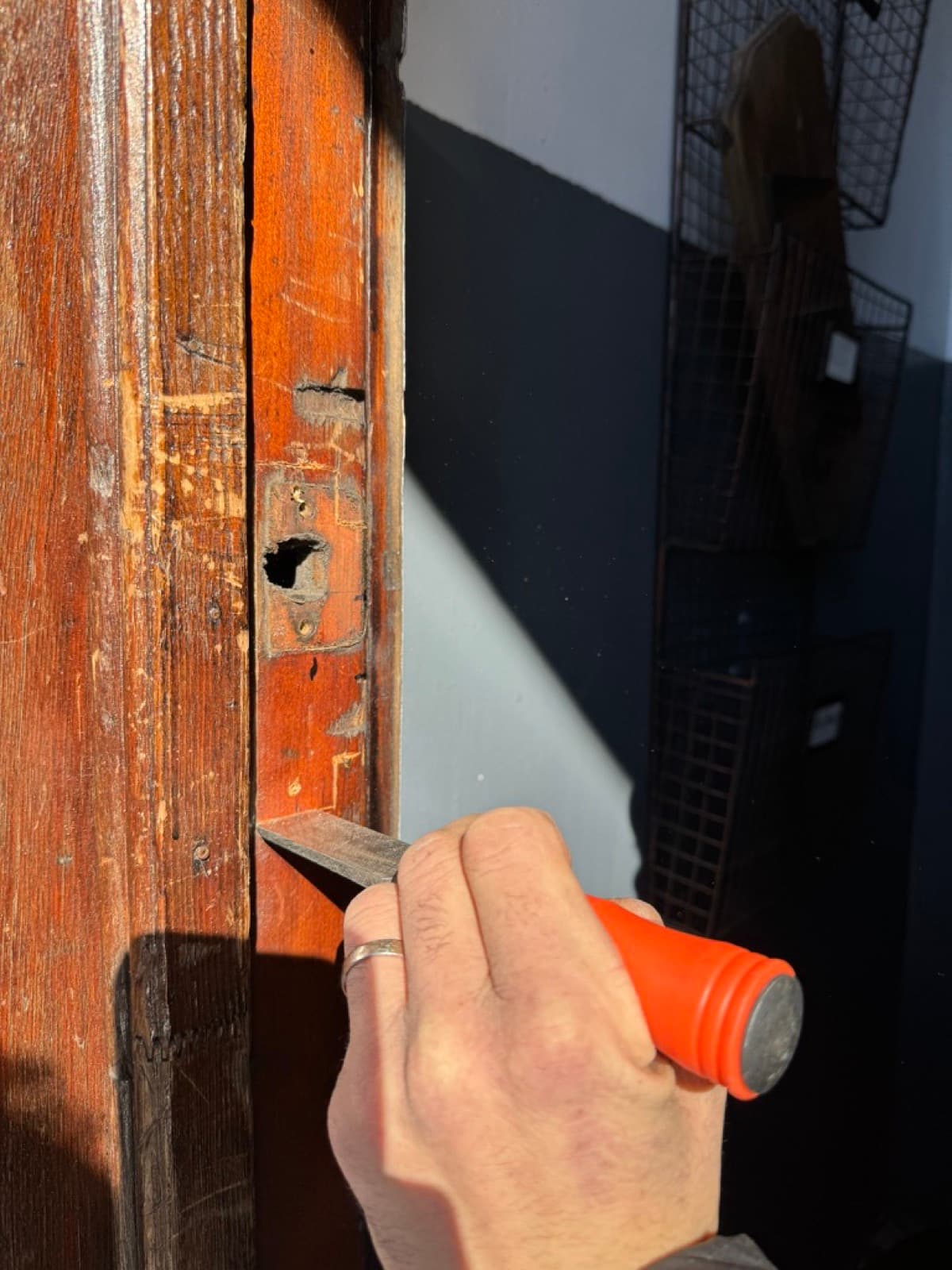
Locksmith work in New York City is not the same trade it is in the suburbs. Most doors we open, rekey, or rebuild are mortise locks — the tall rectangular lock bodies set into a pocket in the door edge, standard on brownstones, pre-war apartment buildings, and older storefronts. Mortise hardware uses a threaded cylinder that screws into the lock case, which means parts, cams, and spindle lengths have to match, and a tech who only knows cylindrical (knob-and-bore) hardware from a big-box store will get it wrong. We carry mortise cases, cylinders, cams, and trim on the van, and we repair the existing case where possible instead of defaulting to a full replacement.
The everyday work is lockouts, rekeys, and lock changes. A rekey swaps the pins inside your existing cylinder so old keys stop working — usually the right call after a move-in, a lost key, a breakup, or a contractor who never returned the spare. A lock change replaces the hardware itself, which is what you want when the lock is worn, drilled, seized from decades of Brooklyn weather, or simply too low-grade for an entry door. On lockouts we pick or bypass first; drilling is a last resort, and if we do have to drill we tell you before we start and replace the cylinder in the same visit.
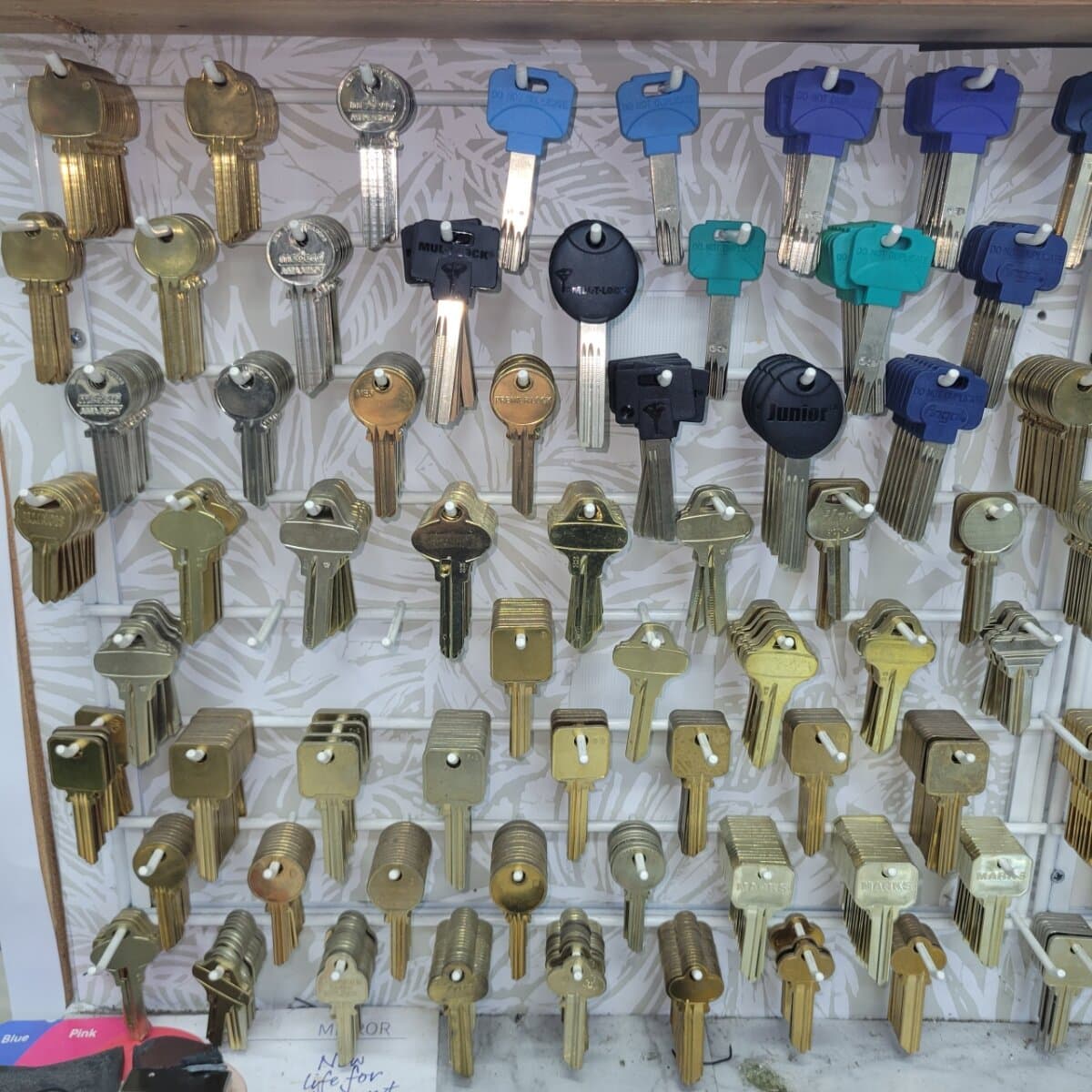
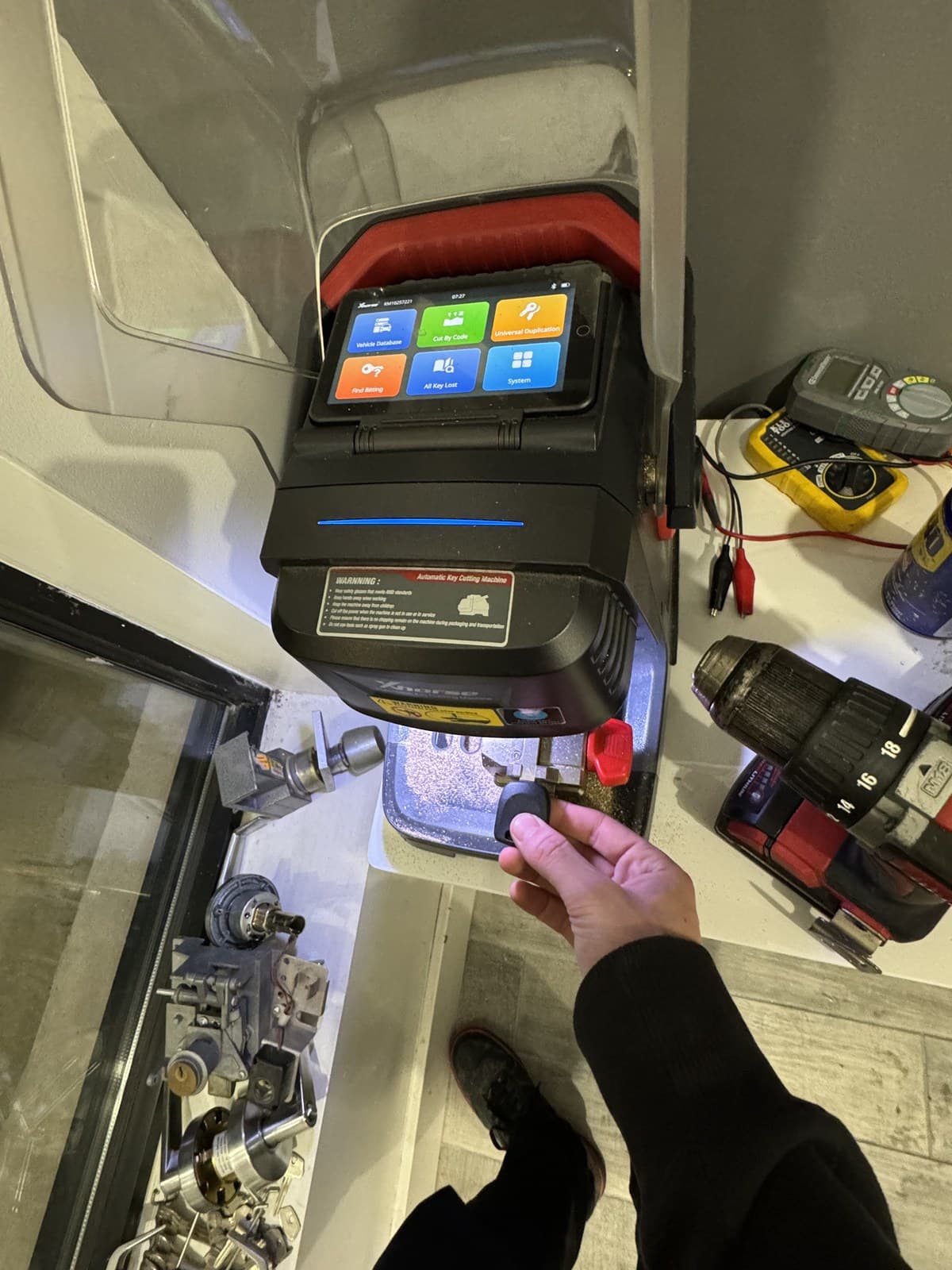
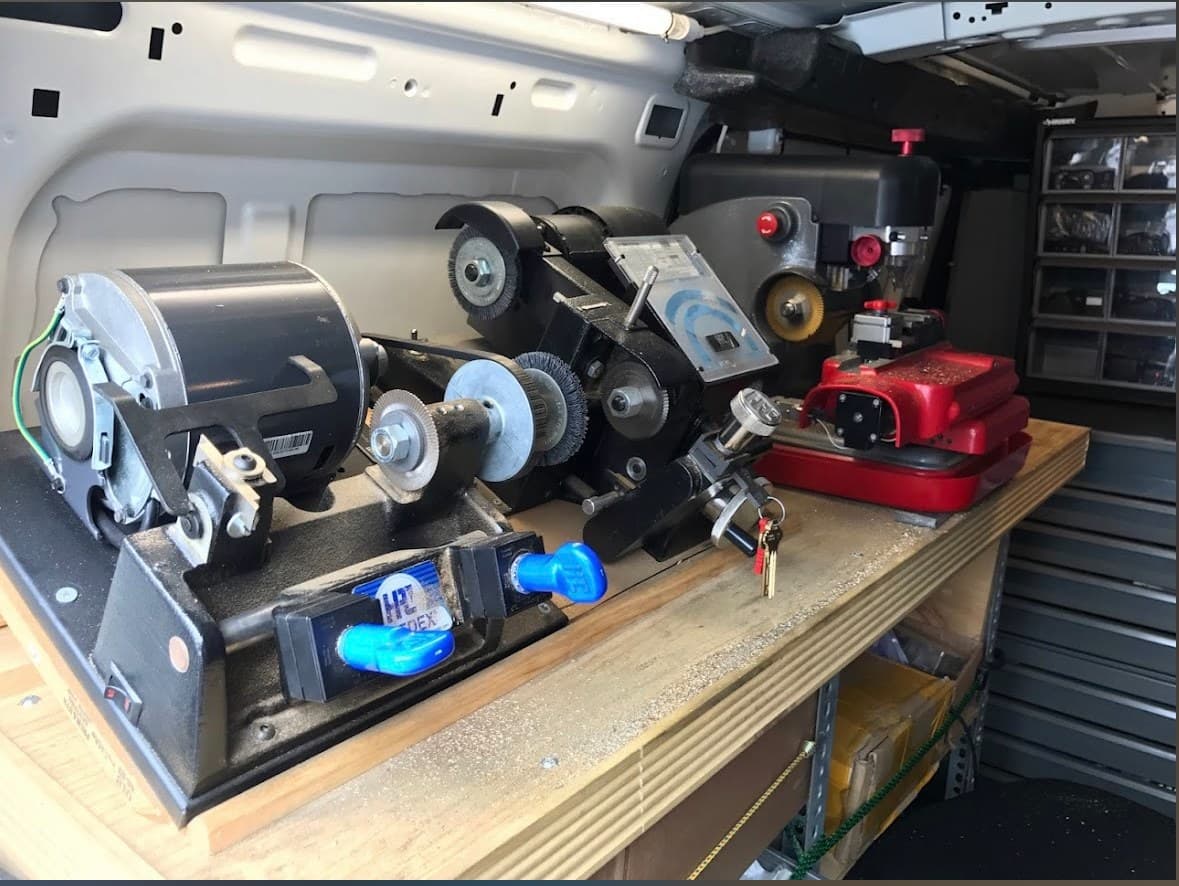
We cut our own keys. An Xhorse automatic key-cutting machine means standard house keys, mortise keys, and most commercial keys are duplicated from your working key or, in many cases, originated to code — nothing gets sent out. We also cut and pin cylinders in-house, which is why a Downtown rekey or master-key change turns around faster than shops that send cylinders out. Call the Brooklyn Heights or Williamsburg office to arrange key work.
Every job is performed under NYC DCWP license #2109597 — worth checking on any locksmith you call, because unlicensed operators are a real and expensive problem in this city. The classic scam is a $29 quote over the phone that becomes several hundred dollars of 'necessary drilling' at your door. We quote the realistic range before dispatch, confirm it in person before touching the lock, and put the final number in writing.
When you need it
- Locked out of your apartment, brownstone, or storefront — day or night
- Just moved in and don't know who still has keys — rekey every cylinder
- Key turns but the mortise lock won't retract, or the key spins freely
- Landlord or property manager needs a vacant unit rekeyed between tenants
- Broken key snapped off inside the cylinder
- Insurance or co-op board requires a specific lock grade on your entry door
- Storefront gate or commercial door lock seized or vandalized overnight
- You need duplicate keys cut accurately — call either office
Real installs, real photos
How it works
- 1
Call
Describe the door and the problem — apartment, brownstone, storefront, mortise or cylindrical if you know it. We give a realistic price range up front, not a teaser number, and dispatch from the nearest office or van.
- 2
On-site assessment
The technician inspects the lock, door, and frame, confirms the quote in writing, and explains options — repair the existing hardware, rekey, or replace — before any work begins.
- 3
The work
Non-destructive entry first on lockouts. Rekeys and cylinder pinning are done on the spot from van stock. Mortise repairs use matched parts, not forced substitutes. Keys are cut and tested in the lock before we call it done.
- 4
Test, hand over, document
You test every key in every cylinder yourself. You get an itemized receipt under our DCWP license number, and we log the keying so future service on the same door is faster.
How pricing works
Every locksmith job is priced after an on-site diagnosis — no guesswork and no surprises. We diagnose the real issue, explain your options in plain language, and give you clear pricing before any work begins.
Request your on-site quote
Tell us what's going on — we'll get back to you with next steps and honest pricing.
Frequently asked
How much does a lockout actually cost in NYC, and why do quotes vary so much?
The honest answer: it depends on the lock, the hour, and whether the door can be opened without drilling. A standard cylindrical lock on an apartment door at 2pm is the low end; a high-security mortise cylinder on a steel door at 3am is the high end. The $19–$39 quotes you see online are bait — the price is invented at your door once the tech claims the lock 'must be drilled.' We quote a realistic range on the phone, confirm the exact number in person before starting, and we pick or bypass before drilling is ever discussed. Any drilling is explained and approved by you first, with the replacement cylinder included in the quote.
I just moved into a co-op. Can I change my own lock, and does the board get a key?
In most NYC co-ops the answer is yes you can change the lock, but the proprietary lease usually requires the corporation to hold a key or that your lock be openable in an emergency — check your house rules before assuming otherwise. Many boards also restrict what you can mount on the corridor-facing side of the door for uniformity, and fire-rated apartment entry doors limit what hardware can legally be installed. The common path is rekeying the existing mortise hardware and giving the managing agent the new key, which keeps you compliant while making sure the previous owner's keys are dead. We do this daily in Brooklyn Heights and can work within whatever your board's alteration rules require.
I'm a tenant. Can I rekey my apartment without my landlord's permission?
Your lease governs this, and most NYC leases require you to provide the landlord a copy of any new key so they can access the unit in an emergency — landlords are also generally entitled to access with notice under NYC housing rules. What you cannot be forced to accept is old tenants or unknown parties holding working keys; rekeying after move-in is reasonable and standard. The clean approach: rekey the cylinder, keep the same hardware so nothing about the door changes, and hand the landlord one copy. If a lock is failing and the landlord won't act, document it — a functioning entry lock is part of the warranty of habitability.
How fast can you cut keys?
Fast — we cut in-house. There's an Xhorse automatic key-cutting machine at both 170 Hicks St and 232 Leonard St, so standard residential, mortise, and most commercial keys are cut in minutes rather than sent out. Restricted keys — Mul-T-Lock and other patent-protected keyways — are different: those require the key's control card or proof of authorization, and duplication happens only for the verified keyholder. That restriction is the entire point of a restricted system, so no shop that takes it seriously will cut one for whoever shows up with the key.
My key goes in but the lock won't turn, or turns without unlocking. Is the whole lock dead?
Usually not. On mortise locks this is most often a worn cam, a failed spring or hub inside the case, or a cylinder set screw that backed out and let the cylinder rotate — all repairable without replacing the visible hardware. On older brownstone doors the door itself has often sagged so the bolt binds against the strike, which is an alignment fix, not a lock fix. We open the case, diagnose the actual failure, and quote repair against replacement honestly. Original pre-war mortise hardware is frequently worth saving, both because it's better made than modern builder-grade and because matching the door prep for new hardware on a landmark door is its own project.
Are you actually licensed, and why does it matter?
Yes — NYC DCWP locksmith license #2109597, and every technician works under it. New York City requires locksmiths to be licensed, and it matters for practical reasons: a licensed shop has a fixed business address (we have two), accountability if something goes wrong, and no incentive to run the drill-everything pricing scam that unlicensed dispatch operations depend on. If you're comparing locksmiths, ask for the license number and an address before you ask for the price. A company that won't give you both isn't a company — it's a phone number.
Related
You might also need
High-Security Lock Installation
Mul-T-Lock and Maxtek cylinders in stock — keys that can't be copied at a hardware store, locks that don't open for a bump key.
Learn moreMaster Key Systems
One key for you, one key per door for everyone else — designed on paper before it's ever pinned in brass.
Learn moreDoor Repair & Door Supply
Doors that stick, sag, or won't latch — fixed right the first time.
Learn moreIntercom System Installation & Repair
Lobby panels, apartment stations, and smartphone entry — installed, repaired, and rewired by NYC's door and security specialists.
Learn moreSecurity Gates & Roll-Down Gates
Roll-down gates that open smooth and lock tight.
Learn moreNeed it handled today?
Call for same-day service across the five boroughs, or send a few details and we'll get right back to you.